
Firearm retail regulations aren’t standing still. While your federal license sets the floor, states are increasingly building their own requirements on top of it, covering physical security, dealer licensing, inspections, and more. If you’re not paying attention to what’s happening at the state level, you may be closer to non-compliance than you realize.
What States Are Already Requiring
Several states have moved well beyond baseline firearm dealer requirements:
California requires state dealer licensing in addition to federal licensing, with strict security and storage standards that apply during and after business hours.
Washington mandates detailed premises security, alarm and video surveillance systems, secure storage during and outside business hours, and monthly inventory checks.
Illinois requires dealers to be certified by State Police, with mandated security measures including video surveillance, alarm systems, and regular state inspections.
Colorado enacted firearm dealer permit requirements effective July 2025, including secured premises, annual inspections, employee background checks, and written security plans.
Other states are watching these closely. Legislative proposals modeled on California, Washington, and Colorado are surfacing in state legislatures across the country.
What the Requirements Have in Common
The specifics vary by state, but the direction is consistent. States are focused on physical security that goes beyond cable systems, meaning locked displays or vaults, tamper-resistant mechanisms, and reinforced mounting. Video surveillance with clear sight lines to inventory areas. Written security plans that document how firearms are protected and how they’re secured when the business is closed. Regular state inspections, sometimes unannounced.
If your current setup relies on basic cable locks or requires nightly vault transfers to meet your state’s overnight storage requirements, those are the first two things that will be flagged under any enhanced standard.
Why This Matters for Your Sales Floor Too
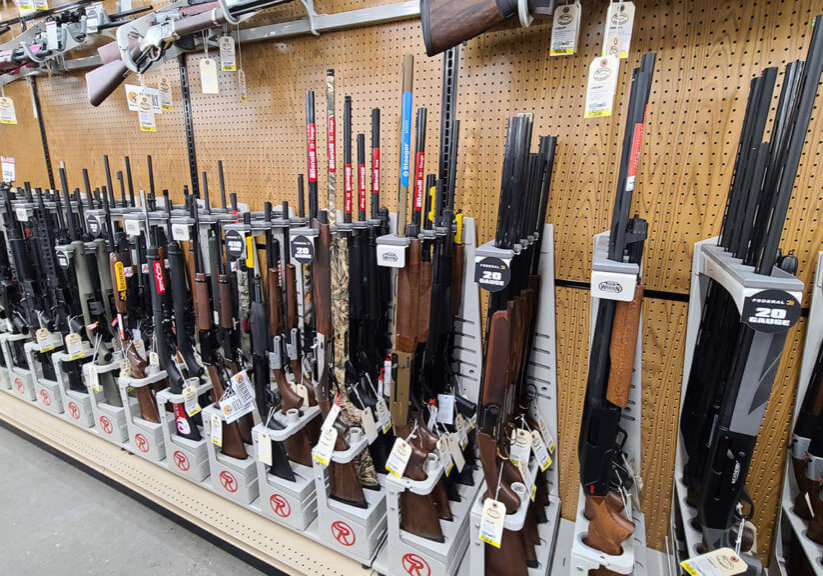
Upgrading your security infrastructure isn’t just about passing inspections. The right display system changes how customers experience your store.
Gun Warden Vertical Sliders and Horizontal Locking Arms display long guns openly, without glass or cables in the way, so customers can see the full profile, read pricing, and engage before they ever ask to handle one. When they do want to hold a firearm, one key gives staff immediate access. No fumbling with individual case locks, no pulling inventory out of a vault mid-shift.
The Pistol Warden brings the same experience to handguns. Instead of lifting case lids and passing pistols back and forth over a counter, customers see exactly what they’re considering in a clean, professional display. The Security Showcase handles overnight storage for higher-value inventory with shatter-resistant glass and tested locking protection, so nothing has to move to a vault at closing.
All of it reduces handling. Less handling means less damage to inventory. And firearms that aren’t being moved in and out of a vault every night stay in better condition, longer.
Why This Matters Now, Even If Your State Hasn’t Changed
Retailers who wait for their state to act before investing in better security consistently end up in the same position: short timelines, supply chain delays, rushed decisions, and competitors who are still operating while you’re scrambling to upgrade.
The retailers who come out ahead are the ones who’ve already built to a higher standard. When the regulation passes, they keep running. When competitors are dealing with temporary closures and expensive last-minute upgrades, they’re gaining market share.
There are also immediate financial reasons to act now. Enhanced security systems often qualify for reduced insurance premiums. Eliminating nightly vault transfers can save $2,700 to $5,500 per year in labor. And less handling means less inventory damage, which is a cost that’s easy to overlook until you add it up.
A Quick Readiness Check
Ask yourself honestly:
- Would your physical security hold up to a California or Washington state inspection?
- Are firearms secured overnight without requiring vault transfers?
- Do your displays give cameras unobstructed sight lines?
- Could you produce a written security plan today if asked?
- Is your inventory organized for a fast, accurate count?
If the answer to most of those is no, the gap between where you are and where state regulations are heading is worth addressing now rather than later.
Want to know how your current setup stacks up? Contact Quality Wood & Metal Designs at info@qualitywooddesigns.com to talk through your options.